The Candy Aisle Isn't Where The Danger Is
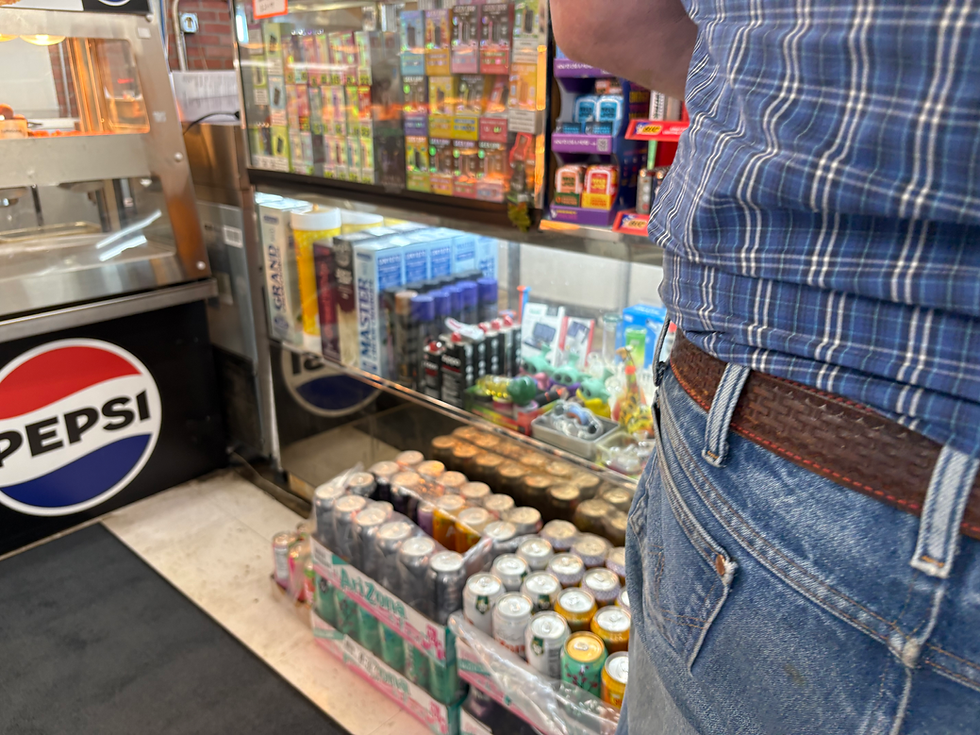
When we are on a road trip, nutrition rules are suspended in our family. Cookies for breakfast? Sure! Chips as a main food group? Why not? It's one day in a life of healthy eating, and my kids always enjoyed the "no rules" rule of the road. This plan requires a lot of stops at mini marts along the way, and as a doc, I always notice the dangerous things that are sitting right next to the register at every checkout.
Every parent knows to keep their kids away from the liquor aisle. Fewer know that some of the more dangerous products at a gas station or convenience store are sitting in plain sight, marketed with flavors and bright packaging, legal to sell, and largely unregulated. Here is what is actually on those shelves and why it deserves a closer look.
Kratom is often sold as a natural supplement, sitting near the energy shots and CBD products. It comes from a Southeast Asian plant, and at low doses it acts like a stimulant. At higher doses, it binds to the same opioid receptors as heroin or fentanyl, producing similar effects, including the ability to slow or stop breathing. As an ER doc, I think about kratom as a terrible mix of marijuana and and opiate like fentanyl or heroin.
Regular use for even a few weeks can lead to addiction and withdrawal symptoms nearly identical to opioid withdrawal. A CDC report published earlier this year found kratom-related poison control calls jumped roughly twelvefold over the past decade, with 2025 alone accounting for a huge share of that total. Nearly 80 percent of kratom-associated deaths involved it combined with another substance, most often opioids, benzodiazepines, or alcohol. The federal government has moved to restrict the synthesized, high-potency form of kratom's active ingredient, but plenty of unregulated product remains on shelves and online, and "natural" does not mean safe here.
Nitrous oxide canisters, sold under brand names like Galaxy Gas in flavored, oversized containers, are marketed for whipped cream dispensers but are almost never bought for that reason. Inhaling the gas directly, commonly called doing whippits, produces a brief high by cutting off oxygen to the brain. Videos of the practice have spread widely on social media, and it has become popular enough that some states and cities have started restricting recreational sales. The real danger builds with repeated use. Nitrous oxide interferes with the body's ability to use vitamin B12, and frequent use can cause lasting nerve damage, numbness, and difficulty walking, sometimes permanent. Some people have become permanently paralyzed or wheelchair bound, as the damage to the spinal cord is not always treatable. Sudden death from oxygen deprivation has also occurred, along with serious accidents from impaired driving. These canisters have no legitimate reason to be sold at a gas station counter, and their presence there is itself worth noticing.
Canned air dusters, sold for cleaning keyboards and electronics, are misused in a similar way but carry a different and arguably more sudden danger. Known as "dusting" or "dustoffs," the practice involves inhaling the compressed gas directly, usually difluoroethane, and it can trigger a fatal heart rhythm disturbance called sudden sniffing death syndrome within minutes, sometimes on the very first use. This is not a rare fluke. Consumer product data recorded over a thousand deaths linked to intentional duster misuse between 2006 and 2020, and it disproportionately affects younger teenagers, with national surveys showing meaningfully higher use among eighth graders than the general population. It will not show up on a standard drug test, which means a parent or coach may have no warning sign at all beyond a pile of empty cans. If someone is unconscious, seizing, or struggling to breathe after inhaling anything like this, begin CPR and call 911 immediately. This is not a wait and see situation.
High-dose caffeine products have become their own category of concern, and not just from familiar energy drinks. The American Academy of Pediatrics recommends no more than 100 milligrams of caffeine a day for teenagers, roughly one cup of coffee. A single energy drink can contain two to three times that amount, and newer products like caffeine pouches, similar in design to nicotine pouches, add another route of exposure that is easy to underestimate. Symptoms of excess caffeine include a racing heart, anxiety, tremors, and in more serious cases, dangerous heart rhythm disturbances, particularly concerning in a teenager with an undiagnosed heart condition. Poison control exposure reports involving caffeine energy products have risen substantially over the past decade, and teenagers specifically are far more likely than younger children to require hospital admission when something goes wrong.
Liquid nicotine, the refill fluid for vape devices, is the most acutely dangerous item on this list in small quantities. It is absorbed through the skin as easily as it is swallowed, and even a small amount can cause serious poisoning in a child, with symptoms including vomiting, tremors, a racing heart, and in severe cases, seizures that can begin within twenty to thirty minutes of exposure. Concentrated nicotine salt formulations have made this worse, with some bottles now containing enough nicotine to be genuinely life threatening if ingested. This is not a product to leave within reach of young children or curious teenagers, and any spill deserves prompt cleanup, not a shrug.
What connects all five of these is the same pattern. Each one is legal, easy to buy, and packaged in a way that looks harmless, flavored, colorful, shelved next to ordinary snacks and drinks. None of that packaging reflects the actual risk sitting inside it. There are no age restrictions to buy these items, so you kids can buy it at your local convenience store.
Talk to your family about the dangers of these products. Most of us assume that if you can just buy it over the counter, it's pretty safe. My own kids had no idea about why these things are in the store, so a conversation about how they can be misused and the potential deadly consequences really opened their eyes. I stressed with my family that some of these things can kill you the very first time you try them, so there isn't room for error.
If your child or teenager brings home something you do not recognize, it is worth asking questions rather than assuming it is harmless because it was sitting at the checkout counter. If you are ever concerned about an exposure to any of these products, Poison Control is available at 1-800-222-1222, and if breathing, heart rhythm, or level of consciousness seems seriously affected, that is an emergency room visit, not a wait and see.
Learn more or reach out with questions at www.presencemd.net.



Comments